 ultimate-guide
cGMP Compliant Peptide Manufacturing: A Technical Guide
Table of Contents
- What Is cGMP Compliant Peptide Manufacturing?
- FDA 21 CFR Part 210 and 211: The Foundation of Compliance
- Peptide Quality Control Testing and Analytical Validation
- Facility Requirements and Cleanroom Classification
- Raw Material Qualification and Supply Chain Traceability
- Scaling from R&D to cGMP Production
- Cost-Benefit Analysis: cGMP vs. Non-GMP Manufacturing
- Conclusion
Last Updated: August 14, 2026
What Is cGMP Compliant Peptide Manufacturing?
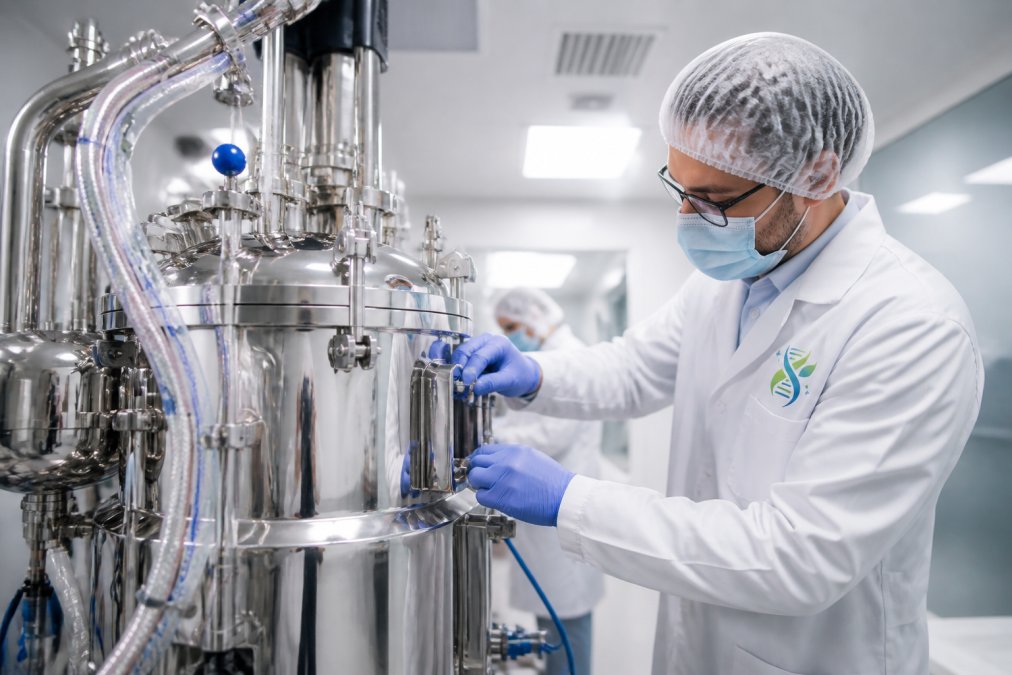
cGMP compliant peptide manufacturing is the production of peptide compounds under Current Good Manufacturing Practice standards established by the FDA. This approach ensures that every batch meets rigorous quality, purity, and safety specifications through documented processes, validated equipment, and continuous environmental monitoring.
When you source from a cGMP compliant manufacturer, you gain access to transparent documentation, batch-to-batch consistency, and assurance that your peptide has been synthesised under conditions meeting federal regulatory requirements. Non-GMP peptide manufacturing may cost less upfront but typically lacks the documentation trail, quality controls, and process validation that cGMP requires, resulting in inconsistent purity profiles and no verifiable proof of what you've received.
cGMP compliance is a systematic framework governing everything from raw material sourcing through final product release, including quality management systems, standard operating procedures, batch record documentation, stability testing protocols, and regular regulatory inspections.
FDA 21 CFR Part 210 and 211: The Foundation of Compliance
The regulatory backbone of cGMP compliant peptide manufacturing rests on two interconnected federal regulations: 21 CFR Part 210 and Part 211.
Part 210: General Requirements
21 CFR Part 210 establishes overarching principles that any pharmaceutical manufacturer must follow, covering personnel qualifications, facility design, equipment maintenance, production processes, and quality assurance responsibilities. Key requirements include documented training programmes for all staff, maintenance of equipment calibration records, and a quality assurance function independent of production. Personnel must demonstrate competency before executing critical manufacturing steps. Facilities must prevent cross-contamination and maintain appropriate environmental conditions. Every manufacturer must establish written procedures for each operation and maintain batch records tracing every step from raw materials through final release. The regulation also mandates investigation of any deviation from standard procedures with thorough documentation, creating accountability and a clear audit trail for regulators.
Part 211: Specific Controls for Peptide Synthesis
21 CFR Part 211 provides granular operational requirements for peptide manufacturing, including specifications for cleanroom classification, equipment validation, process controls, and quality testing. Manufacturers must establish acceptance criteria for raw materials before production, meaning every amino acid, coupling reagent, and solvent must be tested or certified to meet defined purity standards. Equipment used in critical manufacturing steps must be validated to demonstrate consistent performance. Environmental monitoring is mandatory, requiring manufacturers to monitor air quality, surface contamination, and microbial counts in cleanroom areas. Personnel must wear appropriate protective equipment and follow strict gowning procedures, with all monitoring results documented and reviewed regularly.
Peptide Quality Control Testing and Analytical Validation
Quality control in cGMP compliant peptide manufacturing encompasses a comprehensive analytical strategy characterising the peptide from multiple angles to ensure it meets specifications.
Purity Profiling and Impurity Analysis
Purity profiling determines the percentage of desired compound versus related substances, degradation products, or process impurities using high-performance liquid chromatography (HPLC) as the standard method. However, a peptide appearing 98% pure by HPLC may contain impurities not visible on the chromatogram, such as oxidised variants or truncated sequences. Comprehensive quality control therefore includes complementary techniques: mass spectrometry confirms molecular weight and identifies impurities by mass difference, amino acid analysis verifies elemental composition, and capillary electrophoresis separates peptides by charge and size. A cGMP manufacturer tests each batch using multiple analytical methods and documents all results in the batch record, providing confidence that the purity profile is accurate and complete.
Stability Testing Protocols
Stability testing determines how long a peptide maintains quality under defined storage conditions. Accelerated stability testing exposes samples to elevated temperature and humidity for six months at 40°C and 75% relative humidity, with results predicting shelf life under normal conditions. Long-term stability testing runs in parallel at recommended storage temperature, typically 2-8°C or -20°C, with testing at defined intervals. For each timepoint, the manufacturer uses the same analytical methods applied to the initial batch. If purity drops, water content increases, or impurity levels rise beyond acceptable limits, the manufacturer adjusts the proposed shelf life or storage recommendations. This data becomes part of the product's permanent record.
Facility Requirements and Cleanroom Classification
A cGMP compliant peptide manufacturing facility must meet strict environmental standards. The FDA defines cleanroom classifications based on maximum particle counts per cubic foot of air.
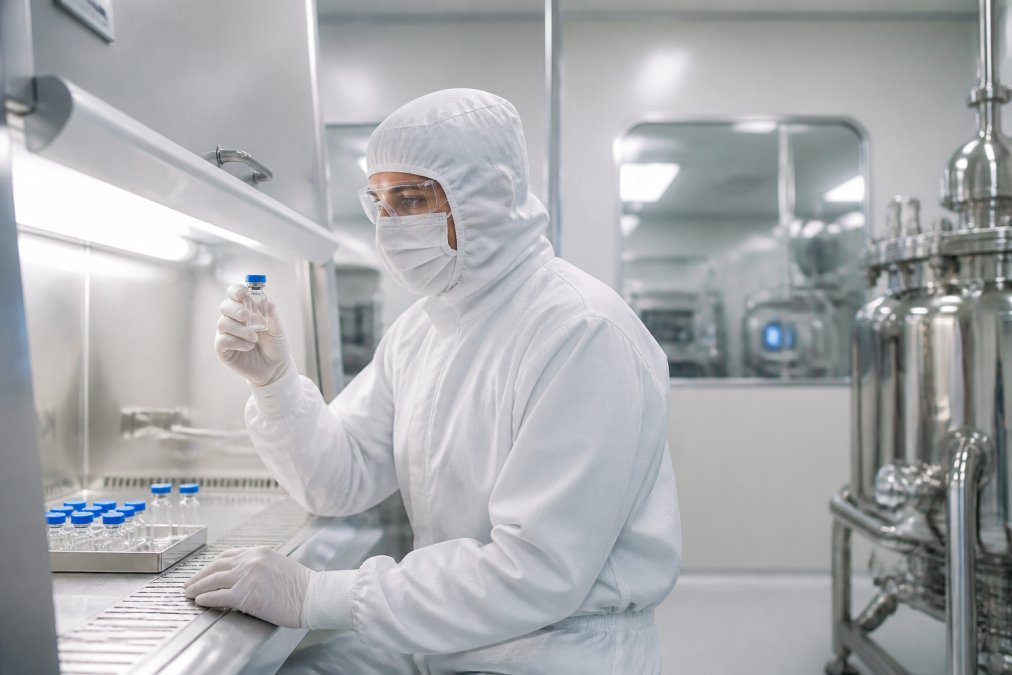
Grade A areas are where aseptic fill-finish operations occur, the final steps where sterile peptide solutions are transferred into vials or syringes under direct visual monitoring. Grade B areas surround Grade A and provide the controlled environment supporting Grade A operations. The facility must maintain positive air pressure in Grade A, with air flowing from cleaner to less clean areas. HEPA filtration removes particles and microorganisms from incoming air, whilst temperature and humidity are maintained within tight ranges, typically 68-72°F and 40-60% relative humidity. Personnel must follow strict gowning procedures before entering controlled areas. Surfaces and equipment must be designed to prevent contamination and support cleaning and sterilisation, with stainless steel preferred for product-contact surfaces. The facility must have separate areas for receiving raw materials, manufacturing, quality control testing, and storage, with cross-contamination prevented through physical separation or procedural controls.
Raw Material Qualification and Supply Chain Traceability
Every raw material entering a cGMP compliant peptide manufacturing facility must be qualified and traceable, beginning with supplier evaluation.
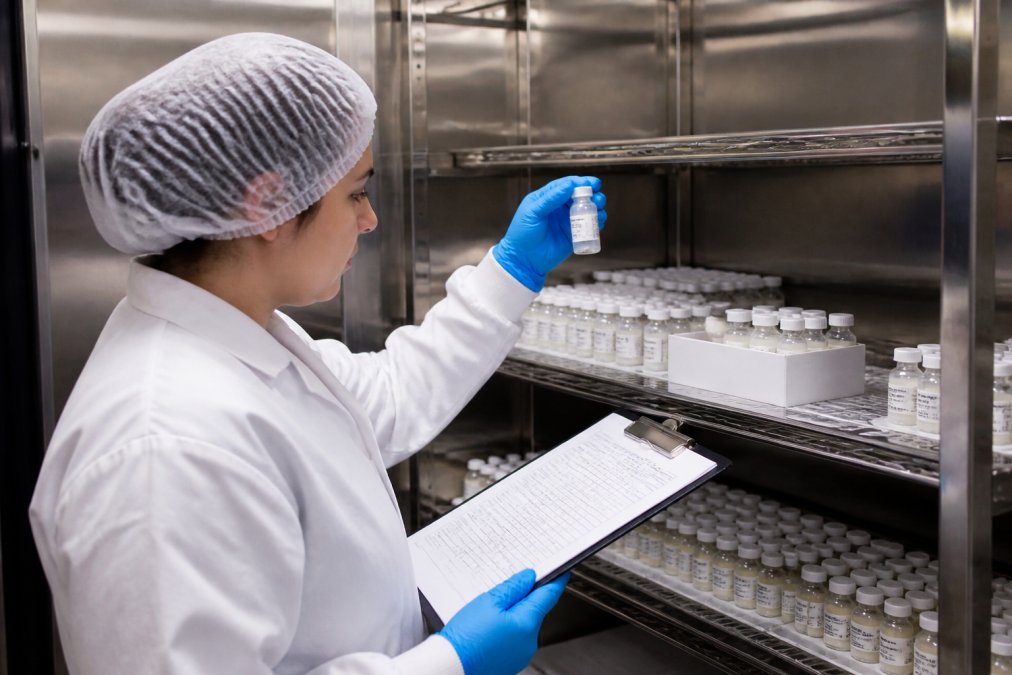
Manufacturers must evaluate suppliers based on their ability to provide materials meeting specifications. For critical materials such as amino acids and coupling reagents, the manufacturer may conduct on-site audits of supplier facilities to verify adequate quality systems. Approved suppliers are documented in a master list reviewed and updated regularly. Upon arrival, the receiving department verifies shipments match the purchase order and containers are intact and properly labelled. The manufacturer tests a sample of each incoming lot to confirm it meets acceptance criteria, with results documented and the material either accepted or rejected. Traceability is maintained through batch records documenting which raw material lots were used in each manufacturing batch, enabling immediate identification of affected batches if a supplier's material is later found to be contaminated.
Scaling from R&D to cGMP Production
Moving a peptide synthesis process from research laboratory to cGMP manufacturing requires systematic process validation and careful attention to how scale affects chemistry and final product quality.
Process Validation and Equipment Qualification
Process validation begins with detailed understanding of peptide synthesis chemistry at research scale, documenting every step, reaction times, temperatures, and reagent ratios whilst establishing acceptance criteria for critical parameters. At pilot scale, the manufacturer reproduces the process in equipment similar to full-scale production, revealing how the process behaves in larger vessels with longer reaction times and different mixing characteristics. Equipment qualification involves installing, commissioning, and running validation batches to demonstrate consistent production of peptides meeting specifications. For peptide synthesisers, this means running multiple synthesis cycles verifying purity, yield, and impurity profile consistency. For purification equipment, it means validating that chromatography columns consistently separate target peptides from impurities across multiple batches.
Common Audit Failure Points During Scale-Up
Regulatory inspections often uncover problems in companies attempting to scale peptide manufacturing. The most frequent issues centre on inadequate process validation documentation, with manufacturers sometimes moving to full-scale production before completing pilot-scale studies. Another common failure is insufficient environmental monitoring during transition to cGMP, as research labs operate with minimal monitoring whilst cGMP facilities require regular testing of air quality, surface cleanliness, and microbial counts. Poor supplier qualification is another recurring problem, with manufacturers assuming research materials will work equally well in cGMP manufacturing only to discover lot-to-lot variation. Documentation gaps are perhaps most serious, as regulators expect complete batch records tracing every manufacturing step, test result, deviation, and investigation.
Cost-Benefit Analysis: cGMP vs. Non-GMP Manufacturing
The decision between cGMP and non-GMP peptide sourcing involves trade-offs depending on your application and tolerance for risk. Non-GMP manufacturing typically costs less because the manufacturer operates without cleanroom overhead, validation studies, regulatory compliance, and extensive documentation. However, for research applications depending on reproducible results, the cost of failed experiments due to inconsistent peptide quality often exceeds the premium paid for cGMP material. For performance and longevity applications, cGMP compliance signals that the peptide has been tested for purity and stability, with third-party testing providing additional assurance that what you're purchasing matches the label. The real question is not whether cGMP is expensive, but whether non-GMP is cheap enough to justify the risk.
cGMP compliant peptide manufacturing is the standard separating professional-grade compounds from commodity products. If your research, training, or performance goals depend on consistency and reliability, the framework of regulatory compliance, analytical validation, facility controls, and documented traceability is not optional.
Everform Research applies these standards to every peptide we produce. Our cGMP-compliant manufacturing, combined with third-party testing and transparent documentation, ensures that each batch meets the specifications you depend on. Ready to experience the difference that true cGMP compliance makes? Shop our compounds today and use code EVER15 for 15% off your first order. Every purchase includes a full certificate of analysis and access to our team for questions about batch consistency, stability, or application protocols.
Frequently Asked Questions
What are the core requirements for cGMP compliant peptide manufacturing?
cGMP compliant peptide manufacturing requires adherence to FDA 21 CFR Parts 210 and 211, which mandate a quality management system covering personnel training, facility design, equipment validation, raw material qualification, process controls, and comprehensive documentation. Key elements include cleanroom classification standards, analytical validation of all methods, batch record completeness, environmental monitoring, and reproducible processes that demonstrate consistent purity and potency across batches. Third-party testing and traceability throughout the supply chain are essential to verify compliance.
How does peptide quality control testing differ from standard pharmaceutical testing?
Peptide quality control testing focuses on unique challenges: amino acid sequence verification, post-translational modification detection, and aggregation analysis. Unlike small-molecule drugs, peptides require high-performance liquid chromatography (HPLC) for purity profiling and mass spectrometry for molecular weight confirmation. Stability testing for peptides must account for oxidation, hydrolysis, and aggregation under various storage conditions. cGMP-compliant labs validate each analytical method independently and maintain strict documentation of all test results, ensuring reproducibility across batches and enabling regulatory submission with confidence.
What documentation is required for cGMP compliance in peptide synthesis?
Complete documentation includes batch records with raw material certificates of analysis, in-process testing results, finished product test reports, and stability data. Standard operating procedures (SOPs) must cover synthesis, purification, testing, storage, and handling. Personnel training records, equipment maintenance logs, and environmental monitoring data are mandatory. Risk assessments and process validation studies must be documented and retained. All records require electronic or physical signatures and timestamps. This documentation supports regulatory submissions, audit trails, and demonstrates compliance with 21 CFR Part 211 requirements throughout the product lifecycle.
Why does transitioning from R&D to cGMP scale-up often fail?
Common failure points include insufficient process validation during scale-up, inadequate equipment qualification, and gaps in documentation control. Many labs underestimate the rigour required for batch record completeness and analytical method validation. Environmental monitoring systems may not be properly calibrated or maintained. Personnel may lack sufficient training on cGMP procedures. Equipment used in R&D often cannot meet cGMP specifications, requiring investment in new systems. Stability testing protocols may not have been established before scale-up, delaying regulatory submissions. Successful transitions require early engagement with quality assurance, comprehensive risk assessments, and investment in proper facilities and training before manufacturing begins.
How can I verify that a peptide supplier is genuinely cGMP-compliant?
Request documentation of FDA facility registration and inspection history through the FDA's CDER database. Ask for third-party audit reports from recognised bodies such as those following ICH Q7 guidelines. Verify that the supplier provides detailed certificates of analysis (COAs) with batch-specific test data, not generic templates. Confirm that they maintain complete batch records available for inspection. Ask about their quality management system and process validation studies. Independent third-party testing of samples provides additional assurance. Everform Research maintains transparent documentation and third-party COA verification, allowing you to validate compliance before committing to a vendor relationship.
What is the difference between research-grade and cGMP-grade peptides?
Research-grade peptides may have purity levels of 75-95% with limited documentation of synthesis conditions or testing methods. cGMP-grade peptides maintain minimum purity standards (typically 95%+), supported by validated analytical methods, complete batch records, and stability data. cGMP manufacturing requires documented process validation, equipment qualification, and environmental monitoring. Personnel must receive formal training on quality procedures. Research-grade suppliers often lack formal quality management systems, whilst cGMP suppliers maintain comprehensive documentation enabling regulatory submissions and reproducible results across batches. For clinical research or regulatory submissions, cGMP-grade peptides are essential; for preliminary screening, research-grade may suffice.
Can peptides be manufactured in compliance with cGMP standards in the United States?
Yes, cGMP-compliant peptide manufacturing facilities operate throughout the United States. Domestic manufacturing offers advantages including shorter lead times, easier facility audits, and direct communication with quality teams. However, cGMP compliance requires significant investment in cleanroom infrastructure, analytical equipment, trained personnel, and quality systems. Many contract manufacturing organisations (CMOs) and specialised peptide suppliers now offer cGMP services. When sourcing domestically, verify FDA facility registration and request evidence of successful regulatory inspections. Everform Research partners with cGMP-compliant manufacturers to ensure your peptides meet all regulatory standards whilst maintaining transparency about sourcing and testing.
This article was written using GrandRanker