 listicle
Buy Research Grade Peptides Online: 2026 Guide
Table of Contents
- What Makes Research Grade Peptides Different
- Quality Verification: Third-Party Peptide Testing Standards
- Understanding COA for Peptides Explained
- Top Research Grade Peptide Suppliers in 2026
- Regulatory Compliance and Legal Considerations
- Storage, Stability, and Handling Best Practices
- How to Buy Research Grade Peptides: Step-by-Step
- Common Mistakes When Sourcing Peptides Online
Last Updated: August 20, 2026
What Makes Research Grade Peptides Different
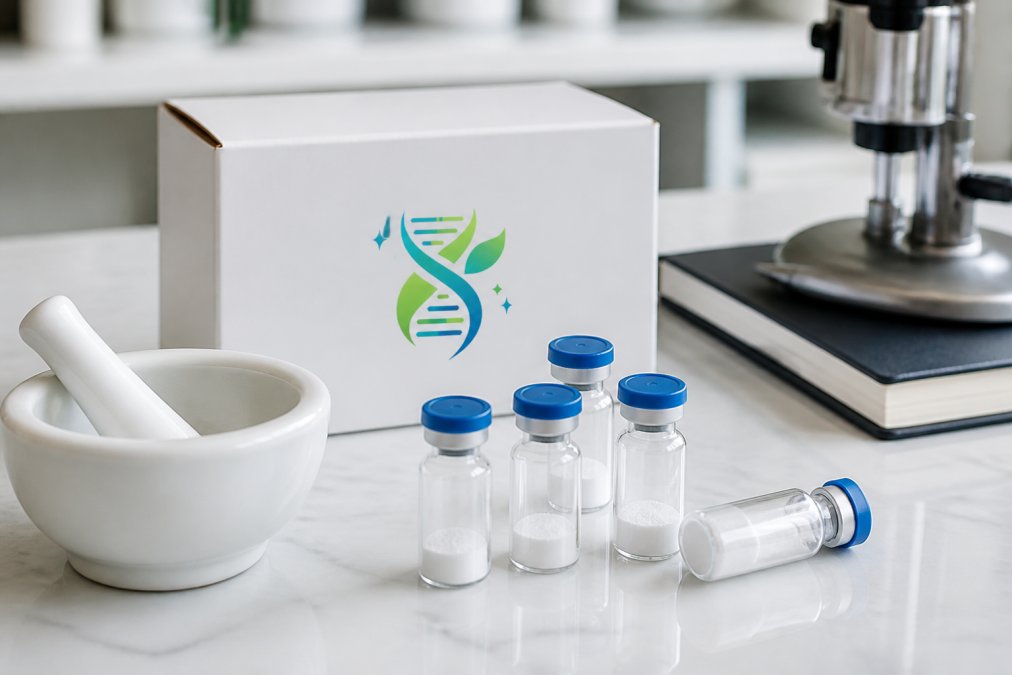
Research-grade peptides are synthetic amino acid chains manufactured to exacting standards for laboratory and scientific applications. Unlike therapeutic peptides prescribed by healthcare providers, research-grade peptides are produced without FDA approval for human use and are intended exclusively for in-vitro research, biochemical assays, and experimental protocols.
Research-grade peptides undergo rigorous quality control designed for reproducibility rather than clinical safety approval. According to Precedence Research's 2026 peptide synthesis market analysis, the U.S. peptide synthesis market reached USD 175.63 million in 2025 and is projected to grow to USD 386.92 million by 2035, expanding at a compound annual growth rate of 8.22%.
Research-grade peptides are manufactured through Solid Phase Peptide Synthesis (SPPS), which holds 42.9% market share. The key difference between research-grade and lower-quality peptides is documentation: legitimate suppliers provide batch-specific Certificates of Analysis with HPLC chromatograms, mass spectrometry confirmation, and third-party lab accreditation.
Quality Verification: Third-Party Peptide Testing Standards
Third-party peptide testing is the gold standard for verifying that what's in the vial matches the label. Independent laboratory analysis removes the conflict of interest when manufacturers test their own products. When sourcing research-grade peptides online, insisting on third-party verification is essential to confirm purity, identity, and absence of contaminants.
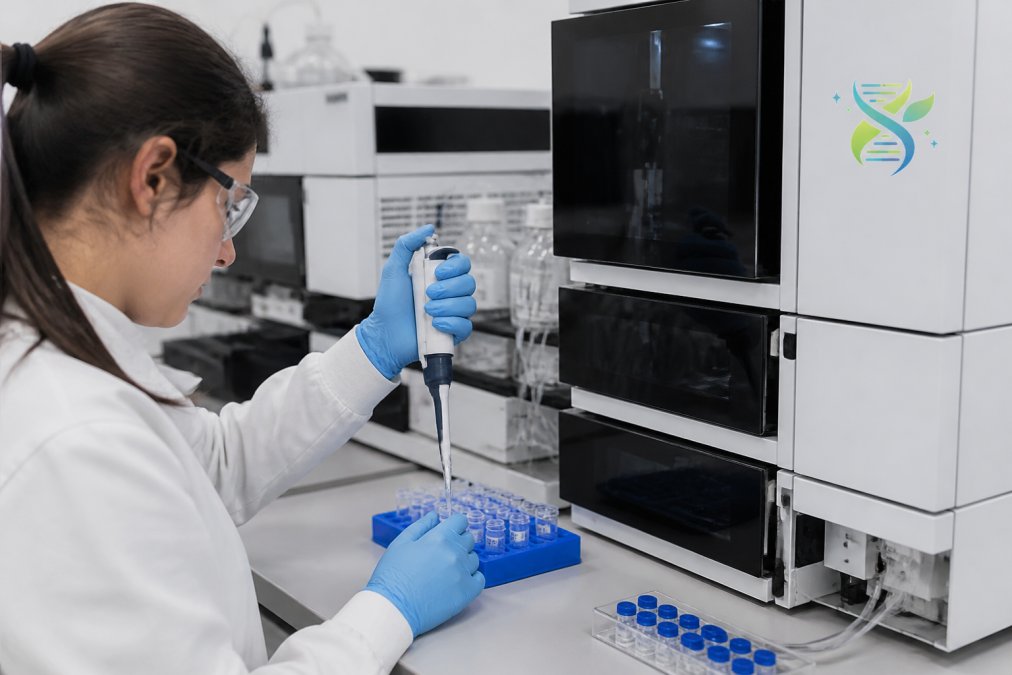
The testing process typically involves HPLC (High-Performance Liquid Chromatography) and mass spectrometry. HPLC separates peptide components and measures purity percentage. Mass spectrometry confirms molecular weight and structural identity. Together, these methods provide definitive proof that the peptide is what the manufacturer claims.
HPLC and Mass Spectrometry Analysis
HPLC analysis measures the percentage of the target peptide versus impurities and degradation products, producing a chromatogram that shows peaks at different retention times. The largest peak represents your target peptide; smaller peaks indicate contaminants. A reputable supplier provides the actual chromatogram in the Certificate of Analysis, not just a purity percentage.
Mass spectrometry measures the exact molecular weight of the peptide. If the mass spectrometry result doesn't match the expected weight, the compound is either mislabelled or contaminated. This dual-method approach catches fraud and manufacturing errors that a single test might miss.
Purity Benchmarks and 99%+ Standards
The 99%+ purity benchmark is the baseline expectation for research-grade peptides. However, purity percentage alone doesn't tell the full story. A peptide can be 99% pure but still contain problematic contaminants such as endotoxins, heavy metals, or bacterial byproducts.
When evaluating purity claims, look for suppliers who specify what they've tested for: endotoxins, water content, heavy metals, and microbial load. Premium suppliers provide endotoxin testing and sterility verification on every lot.
Understanding COA for Peptides Explained
A Certificate of Analysis (COA) is your verification document proving that a third-party laboratory tested your peptide and confirmed its identity and purity. When you buy research grade peptides online, the COA is the single most important document you'll receive because it's the only objective evidence of what you're actually getting.
What Information Must Appear on a Certificate of Analysis
A legitimate COA for research-grade peptides includes the peptide name or sequence, lot number, manufacturing date, and expiration date. It must list the purity percentage and the analytical methods used (HPLC, mass spectrometry, or both).
The COA must identify the third-party testing laboratory by name and accreditation status. Look for accreditations such as ISO 17025, which indicates the laboratory meets international standards for testing competence. The document should specify what contaminants were tested for and the results, including endotoxin levels for biological research applications.
Verifying Batch-Specific Documentation
Batch-specific documentation means the COA applies to the exact vials you're ordering, not a generic statement about the product line. Each manufacturing run produces a unique lot number. The COA for your order must reference your lot number.
When evaluating suppliers, ask whether you can access the COA before purchase. Premium suppliers provide batch-specific COAs upfront, allowing you to review testing data before committing to an order.
Top Research Grade Peptide Suppliers in 2026
The peptide supplier landscape includes established pharmaceutical manufacturers, specialised research chemical companies, and newer entrants focused on transparency. The best supplier depends on your research application, budget, and institutional compliance requirements.
| Supplier | Key Strength | Best For | Documentation Standard |
|---|---|---|---|
| Everform Research | Transparent quality standards and cGMP compliance | Labs prioritising verified consistency and compliance | Batch-specific COA with third-party testing |
| Peptide Sciences | Consistent batch documentation and fast U.S. shipping | Time-critical research projects requiring reliable delivery | Clear lot-to-lot consistency reporting |
| Phoenix Pharmaceuticals | ISO 9001 certification and in-house U.S. production | Institutional accounts requiring broad catalogue access | Comprehensive COA with every order |
| PSPeptides | Verified 99%+ purity with independent testing | Researchers seeking high-purity compounds with responsive support | HPLC and mass spectrometry verification |
| American Peptides | Comprehensive safety documentation and volume pricing | Labs requiring detailed specification transparency | GHS-format SDS and lot-specific COAs |
Everform Research: Transparent Quality Standards
Everform Research has positioned itself as a premium supplier focused on transparency and batch consistency. The company emphasises rigorous third-party testing, cGMP-compliant manufacturing, and clearer documentation standards than many competitors. For principal investigators and biotech labs requiring institutional-grade compliance, Everform Research offers documented quality.
Peptide Sciences: Consistent Batch Documentation
Peptide Sciences has built a reputation for reliable on-time delivery and consistent product quality across batches. The company provides clear documentation that allows researchers to compare lot-to-lot consistency over time. Fast U.S. shipping is a practical advantage for time-critical research.
Phoenix Pharmaceuticals: ISO-Certified In-House Production
Phoenix Pharmaceuticals operates as a fully integrated manufacturer with ISO 9001 certification. In-house U.S. production means no outsourced synthesis steps, reducing the risk of quality inconsistencies. The extensive catalogue of over 9,000 SKUs, combined with custom synthesis capabilities, makes it ideal for institutional research accounts.
PSPeptides: US-Made with Independent Verification
PSPeptides emphasises verified 99%+ purity through independent laboratory testing. Every peptide is analysed using both HPLC and mass spectrometry. Expert customer support available seven days a week is unusual in this industry.
American Peptides: Comprehensive Safety Documentation
American Peptides distinguishes itself through comprehensive safety documentation, including GHS-format Safety Data Sheets (SDS) for every product. The company provides lot-specific certificates split by vial size, which is exceptional for labs using the same batch across multiple experiments.
Regulatory Compliance and Legal Considerations
Understanding current FDA classifications and compounding restrictions is essential to avoid sourcing peptides that may violate compliance rules or create legal liability for your institution.
FDA Reclassification and 503A Compounding Changes
In 2026, the FDA implemented significant regulatory changes affecting which peptides compounding pharmacies can legally prepare. Effective April 23, 2026, the FDA removed twelve peptides from its Category 2 restricted compounding list. Several popular peptides, including BPC-157, TB-500, KPV, MOTs-c, and GHK-Cu, have been reclassified into Category 2 bulk drug substances under FDA peptide regulations in 2026.
However, these actions do not equate to FDA approval of these peptides as drugs. A peptide can be permitted for compounding without being approved for therapeutic use. The FDA also proposed excluding semaglutide, tirzepatide, and liraglutide from the 503B Bulks List in 2026.
Distinguishing Research Use from Therapeutic Claims
Research-grade peptides are explicitly not approved for human therapeutic use. When you buy research grade peptides online, you're purchasing compounds for in-vitro research, biochemical assays, and laboratory experimentation, not for treating disease or improving health in humans.
Making therapeutic claims about research-grade peptides violates FDA regulations. Ensuring your peptide supplier clearly labels products as research-use-only protects your institution from liability and regulatory scrutiny.
Storage, Stability, and Handling Best Practices
How you store and handle peptides after purchase directly affects their stability and the validity of your research results. Improper storage degrades peptides, reducing purity and introducing variables that contaminate your experimental data.
Lyophilised Peptides and Reconstitution Protocols
Most research-grade peptides are supplied lyophilised (freeze-dried), which removes water and extends shelf life. Reconstitution requires careful technique. The solvent you choose depends on the peptide's chemical properties. Hydrophilic peptides dissolve readily in water or phosphate-buffered saline (PBS). Hydrophobic peptides may require organic solvents like DMSO or acetonitrile. Your supplier's COA should recommend appropriate solvents.
Once reconstituted, peptide solutions degrade faster than lyophilised material. Store reconstituted peptides at 4°C (refrigerated) or -20°C (frozen) depending on the peptide's stability profile.
Temperature Control and Shelf Life Verification
Lyophilised peptides stored at room temperature (18-25°C) in sealed vials typically remain stable for 12-24 months. Refrigerated storage at 4°C extends this to 24-36 months. Freezing at -20°C can preserve peptides for several years.
Repeated freeze-thaw cycles degrade peptides. If you're using a frozen vial, thaw it once, aliquot the contents into smaller working portions, and refreeze the main stock. Light exposure accelerates peptide degradation, so store vials in opaque containers away from direct sunlight.
How to Buy Research Grade Peptides: Step-by-Step
Purchasing research-grade peptides involves more than selecting a product and entering payment information. Proper sourcing requires verification steps that ensure you receive what you ordered and that your institution complies with relevant regulations.

Identify Your Peptide Sequence and Specifications
Begin by defining exactly what you need. Write down the peptide sequence (amino acid chain) or the common name if you're using a catalogue product. Specify the quantity in milligrams or micrograms, the desired purity level (99%+ is standard for research), and any special requirements such as endotoxin-free status.
Different suppliers may list the same peptide under slightly different names. Cross-reference multiple suppliers to ensure you're comparing identical compounds.
Request and Review Third-Party Testing Documentation
Before finalising your order, request the Certificate of Analysis for the specific batch you'll receive. Reputable suppliers provide batch-specific COAs before purchase, allowing you to review testing data and confirm the peptide meets your requirements.
Review the COA for completeness: lot number, manufacturing date, expiration date, purity percentage, analytical methods, third-party laboratory name and accreditation, and contaminant testing results.
Verify cGMP Compliance and Batch Consistency
cGMP (current Good Manufacturing Practice) certification indicates the supplier follows FDA-regulated manufacturing standards. For institutional research accounts, cGMP compliance is often a procurement requirement. Verify that your supplier holds cGMP certification and can provide documentation to your institutional compliance office.
Ask your supplier for historical data showing purity variation across multiple batches of the same peptide. Suppliers with tight quality control will show minimal variation.
Place Your Order and Confirm Shipping Details
Once you've verified the peptide specifications, reviewed the COA, and confirmed cGMP compliance, proceed with your order. Confirm shipping details with your supplier, including shipping method, estimated delivery time, and packaging to ensure the peptide arrives in optimal condition.
Upon arrival, inspect the package immediately. Check that vials are intact, seals are unbroken, and the lot number on the vial matches the lot number on the COA.
Common Mistakes When Sourcing Peptides Online
Researchers frequently make preventable errors when sourcing peptides online. The first common mistake is ordering without reviewing the COA first. Always review the COA before purchasing.
A second mistake is confusing purity percentage with quality. A peptide listed as 99% pure may contain problematic contaminants not captured by purity testing. Verify what contaminants were tested for and confirm they're absent or within acceptable limits.
Third is ordering from suppliers without third-party testing. Insisting on third-party tested peptides is non-negotiable for reproducible research.
Fourth is ignoring storage and stability information. Always review the COA's storage recommendations and stability data before receiving your order.
Fifth is failing to verify regulatory compliance. If you're sourcing peptides for clinical use or institutional research, ensure your supplier's practices comply with current FDA regulations.
Sixth is selecting suppliers based on price alone. The lowest-cost peptide may lack proper documentation, third-party testing, or batch consistency.
Finally, many researchers don't request batch-specific documentation. Asking whether your supplier can provide the COA for your specific lot number before purchase prevents receiving generic or outdated documentation.
Sourcing research-grade peptides online requires attention to documentation, third-party testing, and regulatory compliance. The peptide synthesis market is expanding rapidly, projected to grow at 8.22% annually through 2035, but quality remains uneven across suppliers. Everform Research stands out by prioritising transparency, batch consistency, and comprehensive documentation, making it an excellent choice for institutions and researchers who cannot afford experimental failures due to peptide quality issues.
When you're ready to source your next batch of research-grade peptides, use Everform Research's discount code EVER15 for 15% off your order and experience the difference that transparent quality standards make.
Frequently Asked Questions
What is the best website to buy research grade peptides online?
The best supplier depends on your specific needs, but look for vendors offering third-party tested peptides with batch-specific Certificates of Analysis (COAs), transparent documentation, and cGMP-compliant manufacturing. Everform Research, Peptide Sciences, and Phoenix Pharmaceuticals are recognised for rigorous quality standards. Verify that your chosen supplier provides HPLC and mass spectrometry verification, maintains consistent lot-to-lot purity above 99%, and offers fast, reliable shipping. Always request COAs before purchasing to confirm batch identity and purity.
How can researchers verify the purity of peptides from online suppliers?
Request the batch-specific Certificate of Analysis (COA) before purchase. Verify it includes HPLC chromatograms showing purity percentage, mass spectrometry confirmation of molecular weight, and third-party laboratory accreditation details. Legitimate suppliers provide lot numbers, testing dates, and analytical methods. Cross-reference the peptide sequence, molecular weight, and assay results against your project specifications. Ensure the COA is from an independent laboratory, not the manufacturer itself. Many reputable suppliers, including Everform Research, make COAs accessible before checkout to allow proper verification.
What documentation should accompany a research peptide purchase?
Every research peptide order should include a batch-specific Certificate of Analysis (COA) with the lot number, HPLC purity data, mass spectrometry identity confirmation, molecular weight, and third-party laboratory contact information. Storage instructions, reconstitution protocols for lyophilised peptides, and stability data are essential. Safety data sheets (SDS) in GHS format provide hazard information. Some suppliers include endotoxin testing and sterility verification. Transparent suppliers like Everform Research and American Peptides provide comprehensive documentation split by vial size, allowing precise tracking across experiments.
Why is third-party peptide testing critical when sourcing peptides online?
Third-party testing ensures independent verification of purity, identity, and molecular weight, protecting your research integrity and reproducibility. When manufacturers test their own products, conflicts of interest can arise. Independent laboratories using HPLC and mass spectrometry provide unbiased analysis that meets regulatory standards. The U.S. peptide therapeutics market is projected to reach USD 33.62 billion by 2034, driving demand for quality assurance. Without third-party verification, you risk batch inconsistency, failed experiments, and wasted resources. Suppliers offering transparent, independently verified COAs demonstrate commitment to quality and compliance.
This article was written using GrandRanker