 how-to
Do Small Labs Really Need Full GMP Validation?
Last Updated: October 27, 2026
Quick Summary
GMP validation is the documented proof that your manufacturing process consistently produces peptide of the quality you claim, built batch by batch through protocols, records and analytical results. Small labs should apply a risk-based approach, since the evidence required depends on whether you supply research-use-only or clinical material.
- A validation master plan can be kept to one page per system and reviewed quarterly.
- Qualify the computerized systems controlling equipment, not just the equipment itself.
- Analytical methods must be developed and qualified before they can be validated to ICH guidelines.
- Treat supplier qualification as a risk-tiered programme rather than a binary pass or fail.
- If a supplier cannot provide method details or batch records, treat them as unqualified for critical materials.
Table of Contents
- What GMP Validation Actually Requires of a Small Peptide Laboratory
- Peptide Process Validation: A Risk-Based Roadmap for Limited Resources
- GMP Equipment Qualification: What to Qualify and in What Order
- Analytical Method Validation for Peptides: Identity, Purity, and Potency
- GMP Documentation for Peptide Manufacturing: Records That Survive an Inspection
- Cleaning, Carryover, and Contamination Control in Shared Peptide Facilities
- Choosing a GMP-Compliant Peptide Supplier for Your Laboratory
- Frequently Asked Questions
What GMP Validation Actually Requires of a Small Peptide Laboratory
GMP validation is the documented proof that a manufacturing process consistently produces peptide of the quality you claim. It is not a certificate you buy. It is evidence you build, batch by batch, with protocols, records, and analytical results that hold up when someone checks them.
The scale of that evidence depends on what you make and who you make it for. A lab supplying research-use-only material faces a very different bar than one supplying peptide intended for clinical work, where GMP compliance is mandatory according to ChemVerify's guidance on GMP peptide manufacturing. That distinction is where most small-lab confusion starts.
GMP, GLP, or research-use-only: which standard applies to your work
Get this wrong in either direction and you either overspend or ship material that fails a supplier audit. If you are unsure whether full cGMP applies to early-stage work, our review of when cGMP compliance is actually required walks through the decision.
Peptide Process Validation: A Risk-Based Roadmap for Limited Resources
For a deeper walkthrough of the full validation sequence, see how to validate cGMP peptide manufacturing processes.
Building a validation master plan that fits your scope
Keep it short. One page per system is enough. Include the process, the acceptance criteria, the responsible person, and the target date. Review it quarterly.
GMP Equipment Qualification: What to Qualify and in What Order
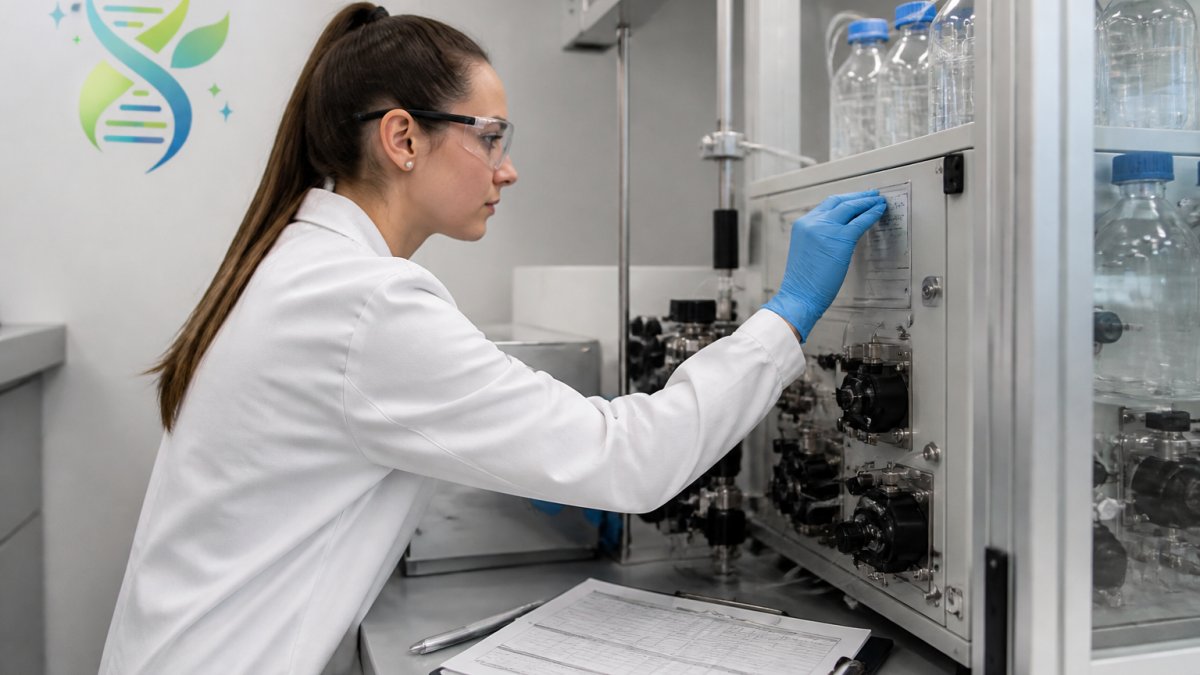
Watch out: qualifying equipment without qualifying the computerized systems that control it leaves a documented gap. If your synthesizer logs run data through software, that system needs its own qualification records.
Analytical Method Validation for Peptides: Identity, Purity, and Potency
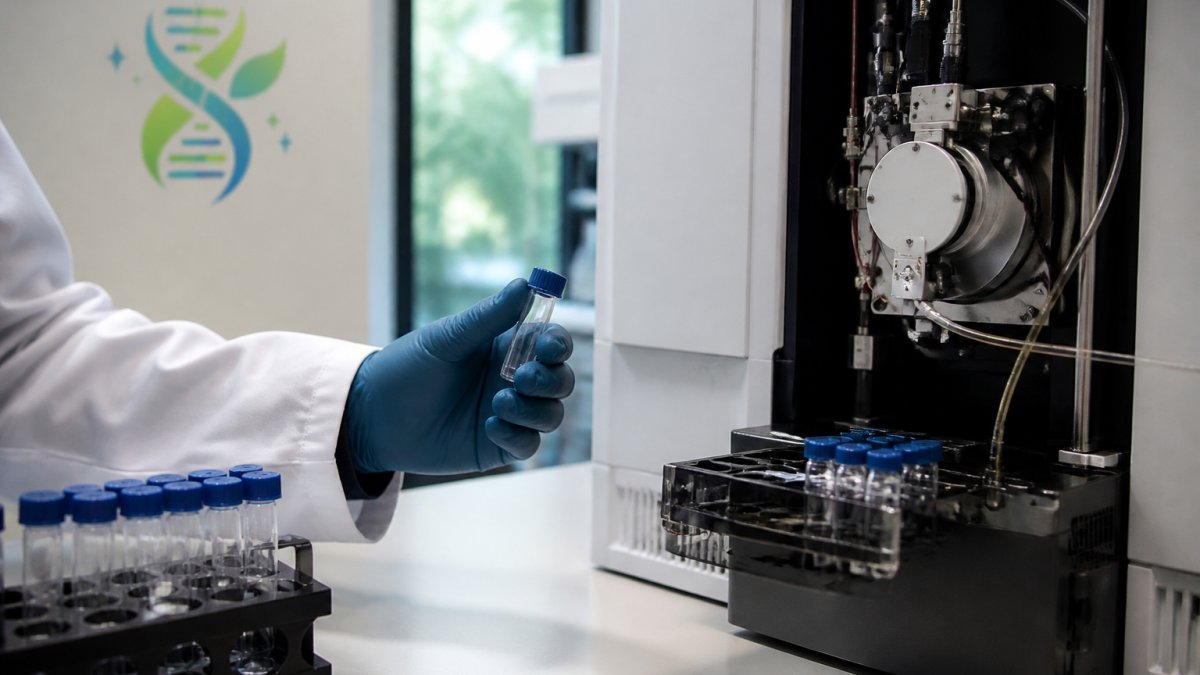
Peptide methods typically cover identity, purity, potency, sterility, and stability, as GenScript's overview of GMP peptide quality control describes. Each needs its own validation package.
Method development comes before validation. A method that has not been developed and qualified cannot be validated. Eurofins Biopharma Services describes this sequence as method development, then qualification, then validation to ICH guidelines.
Peptide analytical methods each need their own validation package, and the sequence matters.
| Item | Detail |
|---|---|
| Methods typically covered | Identity, purity, potency, sterility, stability |
| Required sequence | Method development, then qualification, then validation |
| Validation standard | ICH guidelines |
| Prerequisite | A method not developed and qualified cannot be validated |
GMP Documentation for Peptide Manufacturing: Records That Survive an Inspection
For a closer look at why records matter in synthesis, read documentation in cGMP peptide synthesis.
Cleaning, Carryover, and Contamination Control in Shared Peptide Facilities
Our guide to cleaning validation steps for peptide equipment covers the sampling and acceptance details.
Choosing a GMP-Compliant Peptide Supplier for Your Laboratory
This section gives you a risk-based supplier verification framework that fits a small laboratory. For a practical how-to guide to cGMP compliance in peptide labs, see cGMP compliance in peptide labs.
What to ask for before you order
A CoA that looks legitimate but does not match your own test results is a red flag. Independent verification matters more than a polished document.
A risk-based verification approach for small labs
This is the practical distinction competitors miss: supplier qualification is not a binary pass/fail, it is a risk-tiered programme. A small lab that treats every supplier the same either over-audits commodity suppliers or under-audits critical ones.
What to do when documentation is incomplete
A common pattern in small-lab sourcing is a supplier that provides a CoA but cannot provide method details or batch records. In that case:
- Request the missing documents in writing and record the request.
- If the documents are not provided, treat the supplier as unqualified for critical materials.
- For non-critical materials, you may accept the supplier with a documented risk acceptance signed by the quality lead.
- Re-verify at each lot receipt with your own identity and purity testing.
Ongoing supplier monitoring
Everform Research is committed to premium-quality peptide products, third-party quality testing, transparency, and accessible pricing.
Frequently Asked Questions
What does GMP mean for peptide manufacturing?
GMP, or Good Manufacturing Practice, concerns controls for making and documenting products. The appropriate validation scope depends on the work and applicable requirements.
What is the difference between process validation and analytical method validation?
Process validation concerns whether a manufacturing process consistently produces material meeting its specifications. Analytical method validation concerns whether test methods reliably measure the properties they are intended to measure.
How can a small laboratory manage GMP validation with limited resources?
Start with a validation master plan that ranks systems by risk to product quality, then validate in that order rather than attempting everything at once. Prioritize the equipment and methods that directly affect purity and identity, and use vendor qualification and certificates of analysis to reduce the testing burden where the supplier's data is verifiable. Documented, risk-based prioritization is accepted practice; an incomplete but well-reasoned plan is far stronger than an ambitious plan with no records behind it. Reassess the plan whenever a process, supplier, or piece of equipment changes.
When should peptide manufacturing processes be revalidated?
Revalidation is triggered by change, not by the calendar alone. Typical triggers include a new or modified synthesis route, a change of supplier or peptide API source, new equipment or utilities, a shift in scale, and any deviation or out-of-specification result that points to a loss of control. A periodic review confirms the process still performs as validated even when nothing has changed. Build change control into your quality management system so that any of these events automatically prompts a documented revalidation decision rather than an informal one.