 comparison
Synthetic vs Natural Peptides: Which Source Wins
Table of Contents
- Synthetic vs Natural Peptides: Key Differences
- Production Methods: Extraction vs Chemical Synthesis
- Peptide Purity Testing and Quality Assurance
- Peptide Supplier Quality Standards and Documentation
- Cost, Customisation, and Lead Times
- Which Source Suits Your Research Application
- Frequently Asked Questions
Last Updated: October 10, 2026
Synthetic vs Natural Peptides: Key Differences
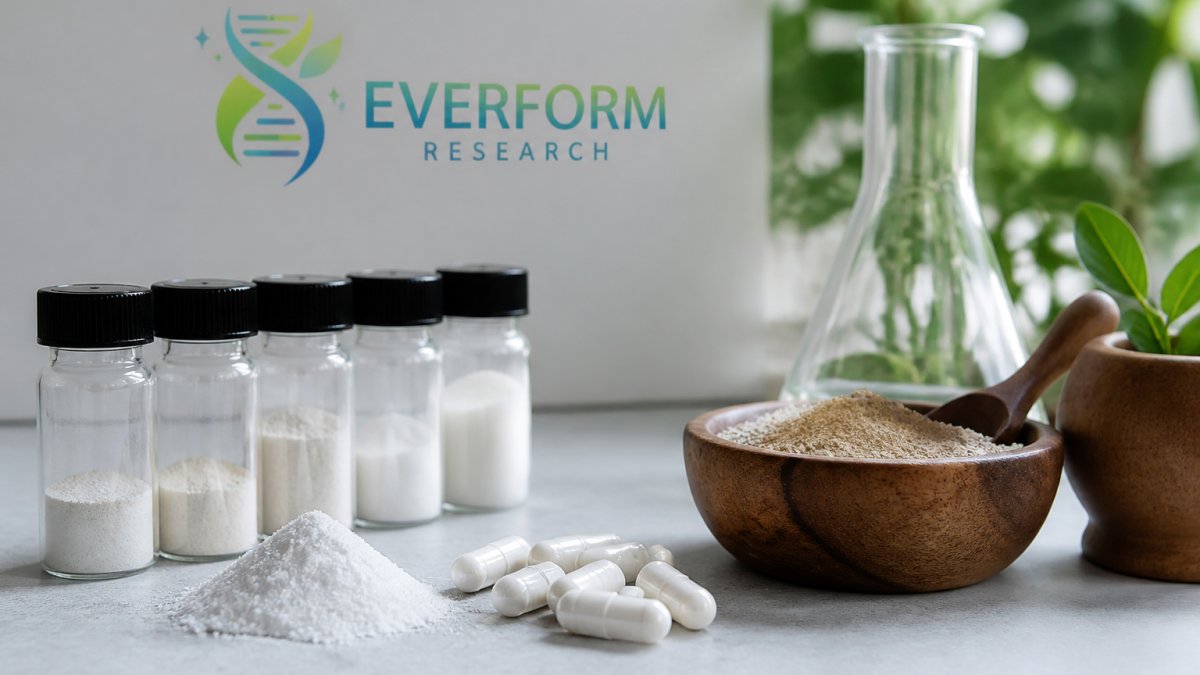
The sourcing decision shapes everything: purity, cost, customisation, and reproducibility. Synthetic vs natural peptides represent fundamentally different production pathways, each with distinct trade-offs. (Source: solid-phase peptide synthesis (SPPS))
Natural peptides are extracted from biological organisms; synthetic peptides are constructed in laboratories through chemical synthesis or recombinant production. The choice hinges on your priorities: speed, cost, purity, or sequence control.
How Natural Peptide Sources Work
Natural peptide sourcing begins with extraction from living organisms, followed by purification through chromatography. This approach preserves peptides as they exist in nature.
Natural sources contain peptide mixtures, and batch composition varies depending on harvest season, organism age, growth conditions, and extraction efficiency.
Natural sourcing suits applications where biological authenticity matters more than consistency. Traceability and raw-material provenance are critical concerns.
How Synthetic Peptides Are Manufactured
Synthetic peptides are built amino acid by amino acid using solid-phase peptide synthesis (SPPS) or recombinant production. Both methods yield well-defined sequences with minimal batch-to-batch variation.
Synthetic peptides offer precision: you specify exact sequence, length, and modifications, including non-standard amino acids that don't occur naturally.
According to research on synthetic peptides and peptidomimetics, synthetic approaches are increasingly used to determine functionality and study the roles of key residues within sequences. This capability transforms peptide research from observational to experimental: you can test exactly which parts of a sequence matter.
Production Methods: Extraction vs Chemical Synthesis
Extraction harvests existing peptides; synthesis builds them molecule by molecule. Extraction is faster for abundant natural peptides; synthesis produces exactly what you specify.

Extraction costs depend on source availability and purification difficulty. Synthesis costs depend on peptide length and complexity, but the price is predictable.
Lead times differ sharply. Natural peptide extraction can be quick if in stock, but sourcing new materials takes weeks. Synthesis timelines are consistent: simple peptides in 2-3 weeks, complex sequences in 6-8 weeks.
Recombinant production sits between the two: slower than extraction but faster than chemical synthesis for certain peptides, and it scales well for large quantities. It also avoids animal-derived materials, which matters for researchers with ethical or regulatory concerns.
Peptide Purity Testing and Quality Assurance
Purity determines whether results are real or artefacts of contamination. Natural peptides typically achieve 70-95% purity; synthetic peptides routinely exceed 95%, often reaching 98-99%.
Testing uses high-performance liquid chromatography (HPLC) and mass spectrometry (MS) to separate peptides, reveal impurities, and confirm sequence identity.
The real question is what the remaining percentage contains. A 95% pure natural peptide might contain structurally similar contaminants that interfere with assays; a 95% pure synthetic peptide might contain chemically inert unreacted starting material.
Third-party testing adds credibility. An independent laboratory's Certificate of Analysis (CoA) provides documented proof and recourse if results don't match.
Peptide Supplier Quality Standards and Documentation
Quality standards separate trustworthy suppliers from unreliable ones. The real differentiator is traceability, batch consistency, and documented contaminant assessment.
Raw-Material Provenance and Sourcing Traceability
For natural peptides, traceability begins before extraction. Reputable suppliers document:
- Species or organism identification: Not just "bovine collagen" but the breed, age range, tissue type, and geographic origin of the animal or plant material.
- Harvest and storage conditions: Temperature, humidity, time from harvest to processing, and whether material was frozen or fresh. These factors affect peptide degradation and contamination risk.
- Chain-of-custody documentation: A record showing who handled the material, when, and under what conditions. This matters if regulatory or ethical scrutiny arises.
- Supplier audits: Reputable natural-peptide suppliers undergo third-party audits of their extraction facilities, verifying sanitation, pest control, and contamination-prevention measures.
For synthetic peptides, traceability focuses on chemical reagents and manufacturing conditions:
- Reagent sourcing: Which companies supplied the amino acids, coupling reagents, and solvents? Were they pharmaceutical-grade or research-grade?
- Synthesis equipment validation: Has the peptide synthesiser been calibrated and validated? Are temperature, pressure, and timing logged for each batch?
- Solvent and residue documentation: What solvents were used in synthesis and purification? Have residual solvent levels been tested (e.g., dichloromethane, N,N-dimethylformamide)?
For recombinant peptides, traceability includes:
- Plasmid and strain documentation: Which expression system was used (E. coli, yeast, mammalian cells)? Has the plasmid sequence been verified?
- Fermentation conditions: Growth medium, temperature profile, induction timing, and harvest density all affect product quality and consistency.
Batch Variability and Contaminant Risk Assessment
Request historical purity data for at least five consecutive batches. Tight suppliers maintain ±1% variation in purity range. HPLC chromatograms should show similar peak patterns across batches, and water content should remain stable.
Contaminant risk differs by sourcing method. Natural peptides may contain biological contaminants, heavy metals, pesticide residues, or sequence variants. Synthetic peptides may contain residual solvents, unreacted materials, or aggregates. Recombinant peptides may contain host-cell proteins, endotoxins, or residual nucleic acids.
A comprehensive Certificate of Analysis should specify which contaminants were tested for and detection limits. If a supplier provides only a purity percentage without listing what was tested, they are hiding quality-control gaps.
Practical Quality-Control Procurement Checklist
Before committing to a supplier, verify: mass spectrometry confirmation of molecular weight; HPLC purity assessment with chromatograms; residual solvent, endotoxin, and heavy-metals testing as appropriate; water content and pH; stability data; and a comprehensive Certificate of Analysis with batch number, manufacturing date, storage instructions, and compliance statements.
Cost, Customisation, and Lead Times
Cost comparisons between natural and synthetic peptides are often misleading. A true cost analysis requires understanding what you are paying for at each sourcing method.
Natural Peptide Sourcing: Variable Costs and Extraction Complexity
Natural peptide sourcing costs depend on source availability and purification difficulty. In-stock peptides ship within days; custom extraction takes 4-12 weeks.
Synthetic Peptide Sourcing: Predictable Costs and Customisation Economics
Synthetic peptides offer predictability and flexibility. Cost depends on peptide length, purity specification, and modifications. Customisation adds no premium once synthesis is underway. Lead times are consistent: simple peptides in 2-3 weeks, complex sequences in 6-8 weeks.
Recombinant Production: Scale Economics and Speed Trade-offs
Recombinant peptides sit between extraction and synthesis in cost and timeline. They use cellular machinery (bacteria, yeast, or mammalian cells) to produce peptides from genetic instructions. This method excels at scale but is inefficient for small quantities.
Cost drivers for recombinant peptides:
- Setup and expression optimisation: The first batch requires plasmid construction, strain development, and fermentation optimisation. This upfront cost is amortised across multiple batches, making recombinant production economical only if you need repeated supplies.
- Fermentation scale: Small-scale fermentation (1-5 litre) costs more per unit than large-scale (50+ litre). If you need 1 mg, recombinant is uneconomical; if you need 100 mg, it becomes competitive.
- Purification complexity: Recombinant peptides require removal of host-cell proteins and endotoxins, adding purification cost. However, if the target peptide is highly expressed, purification is simpler than for rare natural peptides.
Typical pricing for recombinant peptides: £150-500 per milligram for quantities of 10+ mg, with significant discounts at 100+ mg. For 1-5 mg quantities, recombinant is rarely cost-effective.
Lead time: Recombinant production is slower than synthesis for first batches (8-12 weeks for optimisation) but faster for repeat orders (3-5 weeks). It is ideal for long-term supply agreements, not one-off research needs.
Total Cost of Ownership: Beyond Unit Price
Unit price alone is misleading. Consider the full cost:
Natural peptide total cost = (Unit price × quantity needed) + (Cost of screening batches for consistency) + (Cost of re-running experiments if batch variability causes failures) + (Cost of post-extraction modifications if customisation is needed)
Synthetic peptide total cost = (Unit price × quantity needed) + (Cost of waiting for synthesis if timeline is tight) + (Minimal re-run cost due to batch consistency)
Recombinant peptide total cost = (Setup cost ÷ number of batches) + (Unit price × quantity needed) + (Cost of long-term supply commitment)
If your research tolerates batch variability and you need only one or two milligrams of a common natural peptide, natural sourcing wins on cost. If you need customisation, high consistency, or a predictable timeline, synthetic peptides often win despite higher unit price. If you need large quantities of the same peptide repeatedly, recombinant production wins at scale.
Practical Cost Comparison Example
Consider a 20-residue peptide with a phosphorylation modification:
- Natural sourcing: No natural source exists for this exact sequence with phosphorylation. You would need to extract a related natural peptide and have it phosphorylated synthetically. Total cost: £800-1,200 per milligram, timeline: 8-12 weeks.
- Synthetic sourcing: Direct synthesis with phosphorylation included. Cost: £500-700 per milligram, timeline: 4-6 weeks.
- Recombinant sourcing: Requires plasmid engineering to include a kinase recognition site, then expression and purification. Setup cost: £3,000-5,000, then £200-300 per milligram for repeat batches. Timeline: 10-14 weeks for first batch, 4-6 weeks for repeats.
For a one-time research need, synthesis is fastest and most cost-effective. For a long-term supply agreement (10+ batches), recombinant becomes competitive. Natural sourcing is not an option for this customised sequence.
Everform Research provides transparent lead-time estimates based on your specific sequence, length, modifications, and quantity. We help you choose the most cost-effective sourcing method for your application and deliver consistent, documented batches on schedule.
Which Source Suits Your Research Application
Your application determines the best choice. If you're studying how a naturally occurring peptide functions in cells, natural sourcing preserves biological context. If you're testing which amino acid residues matter for activity, synthetic peptides let you create variants systematically. If you need large quantities of a consistent compound, recombinant production scales efficiently.
Academic researchers often need high purity and batch consistency more than they need biological authenticity. A synthetic peptide with 98% purity and tight specifications supports reproducible experiments that others can replicate. Natural peptides introduce variability that complicates interpretation.
Fitness and performance communities value peptides for specific bioactive properties. The choice depends on whether you're using a peptide because of its natural occurrence or because of a specific functional property. If the property is what matters, synthetic peptides with defined sequences and verified purity offer reliability.
Sourcing traceability and raw-material provenance matter increasingly. Know where your peptide comes from, how it was processed, and what contaminants might be present. Environmental and ethical sourcing trade-offs are real, animal-derived peptides raise sustainability questions, while synthetic production uses chemical resources. Recombinant production offers a middle path: biological production without animal farming.
Regulatory and intended-use distinctions matter for commercial applications. Research-grade peptides face different standards than pharmaceutical-grade compounds. Ensure your supplier's quality standards match your intended use. Everform Research maintains cGMP-compliant manufacturing and comprehensive documentation to support both research and commercial applications.
Choosing between synthetic vs natural peptides requires balancing purity, cost, customization, and timeline against your research needs. Synthetic peptides win on consistency and control; natural peptides preserve biological authenticity. The real differentiator is supplier quality, documentation, batch consistency, and third-party testing matter more than sourcing method alone. Everform Research delivers premium-quality peptides backed by rigorous third-party testing, cGMP-compliant manufacturing, and transparent documentation.
Frequently Asked Questions
What is the difference between synthetic and natural peptides?
Natural peptides are extracted or isolated from biological sources such as animals, plants, or microorganisms. Synthetic peptides are chemically constructed in the laboratory using defined amino acid sequences. The key distinction lies in origin: natural peptides come from living systems, whilst synthetic peptides are manufactured through chemical synthesis or recombinant production. This difference affects purity, customisation options, and reproducibility in research applications.
How can researchers compare peptide purity and batch consistency?
Researchers should request a Certificate of Analysis (COA) from their peptide supplier, which documents purity percentages and amino acid composition. Third-party testing provides independent verification and is more reliable than supplier-only testing. Look for suppliers offering cGMP-compliant manufacturing and batch-to-batch consistency data. Consistent purity across multiple batches is essential for reproducible experiments, particularly in high-throughput screening where even small variations can affect results.
Is it better to use natural or synthetic peptides in research?
The choice depends on your specific application. Synthetic peptides offer superior sequence control, reproducibility, and customisation, making them ideal for drug discovery and epitope mapping. Natural peptides may better represent biological activity in certain contexts but vary batch to batch. For most research requiring defined sequences and consistent results, synthetic peptides are the more reliable choice. Consult your institution's procurement guidelines and validate your protocol requirements before deciding.
What quality documents should a peptide supplier provide?
A reputable peptide supplier should provide a Certificate of Analysis showing purity percentage, amino acid composition, and identity confirmation. Request documentation of cGMP compliance, third-party testing verification, and batch-specific quality data. For institutional procurement, ask for certification of manufacturing standards and traceability records. Transparency in documentation is a key indicator of supplier reliability and commitment to quality, particularly for research applications where data integrity is critical.